
SAI NGO & BUSINESS CONSULTANCY
Expert services for NGO, Trust, Society Registration & Compliance across India.
If you’ve been wondering how to register as a sole proprietor in India, you’re not alone. Every day, thousands of freelancers, home-based business owners, local traders, and first-time entrepreneurs ask the same question — and struggle to find a clear, jargon-free answer.
You have a skill, a service, or a product idea. You want to start small, stay in control, and keep things simple. That’s exactly why sole proprietorship is the most popular business structure in India.
But here’s where most people get stuck: What documents do you need? Is there an official certificate? Where do you even begin?
If you’ve been Googling for a clear answer and keep running into confusing jargon — this guide is for you. Let’s break it all down, step by step.
What Is a Sole Proprietorship, Exactly?
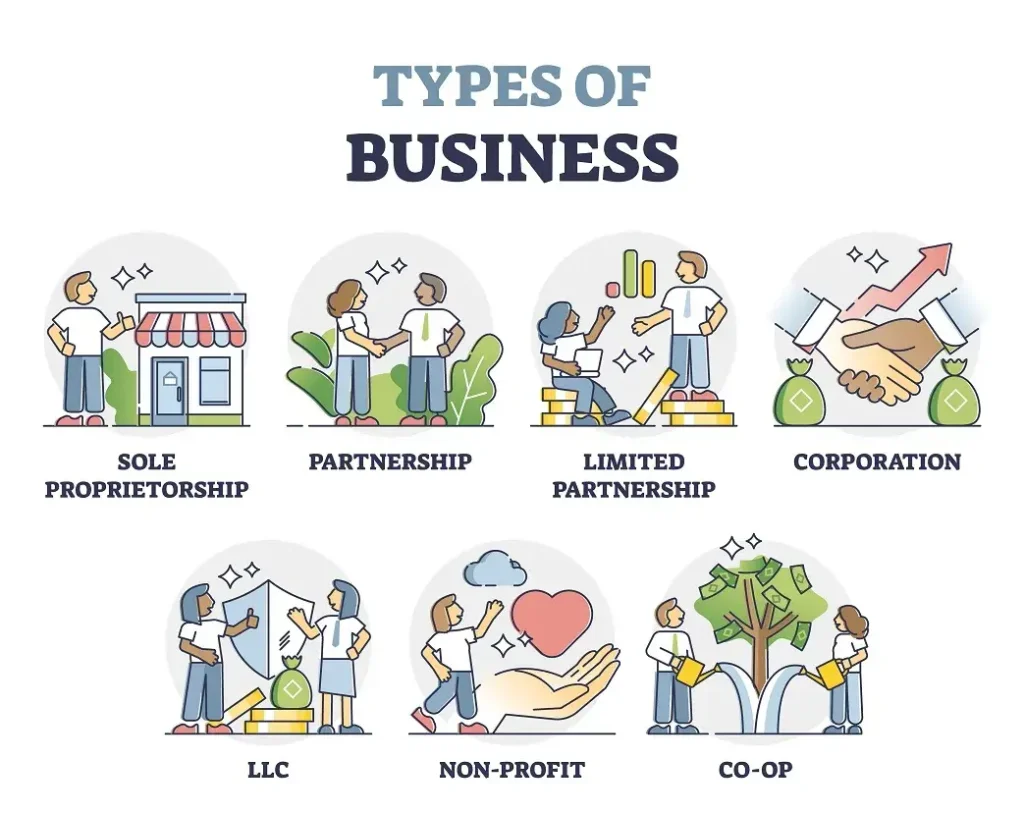
A sole proprietorship is the simplest form of business in India. It’s a business owned and run by one individual — you. There’s no co-founder, no board, no separate legal entity. You are the business.
This is the most common business structure in India, especially among small traders, shopkeepers, freelancers, and home-based businesses. Think of the neighbourhood kirana store, the independent tutor, or the small digital marketing consultant — chances are, they’re operating as sole proprietors.
The key thing to understand is this: a sole proprietorship is not “registered” as a company or LLP is. There is no single government registration that officially creates your sole proprietorship. Instead, it becomes legally recognised through a combination of other registrations — like a GST number, a bank account in your business name, or a shop licence.
This can sound confusing at first. But once you understand the system, it’s actually quite flexible.
Who Should Choose Sole Proprietorship?
Sole proprietorship is ideal for you if:
- You’re starting out and want minimal paperwork and costs
- You want full control over your business decisions
- Your business is small to medium in scale for now
- You’re a freelancer, consultant, trader, or home business owner
- You don’t need to raise external funding right away
- You want direct access to all your profits without profit-sharing
It may not be the best fit if you’re planning to hire large teams, raise venture capital, or run a high-liability business — in which case a private limited company may suit you better.
Key Benefits of Registering as a Sole Proprietor in India

Here’s why thousands of entrepreneurs every year choose sole proprietorship:
- Easiest to start — minimal compliance requirements, no complex registration process
- Low cost — registration fees are negligible; no mandatory chartered accountant at the start
- Complete ownership — you take all business decisions without consulting a board or partners
- Simple taxation — business income is taxed as your personal income (no separate corporate tax)
- Easy to close — if things don’t work out, shutting down is hassle-free
- Full profit retention — 100% of the profit goes directly to you
- Privacy — unlike companies, there’s no obligation to file public financial disclosures
- Flexible — you can operate in almost any sector, from retail to professional services
How to Register as a Sole Proprietor in India: Step-by-Step
Here’s the practical roadmap. You don’t need all of these — but having more registrations gives your business more credibility and legal standing.
| Step | Details |
|---|---|
| Step 1: Choose Your Business Name |
Pick a name for your business. It can be your own name or a trade name. Make sure it’s not already trademarked. Registering a trademark for your business name later is a good idea for protection. Tip: Your business name on all registrations should be consistent. Even small spelling differences can cause problems later. |
| Step 2: Open a Current Bank Account in Your Business Name |
This is one of the most important steps. Banks require certain documents to open a current account for a sole proprietorship. These typically include: • Your identity proof (Aadhaar, PAN) • Address proof for your business premises • Two of the following: GST certificate, trade licence, or Udyam registration A separate business bank account keeps your personal and business finances clean — which matters a lot when you’re filing taxes or applying for loans. |
| Step 3: Register for GST (If Applicable) |
GST registration is one of the primary ways a sole proprietorship gets officially recognised. You must register for GST if: • Your annual turnover exceeds ₹20 lakh (₹10 lakh for special category states) • You sell goods or services across states • You sell on e-commerce platforms like Amazon, Flipkart, or Meesho (mandatory regardless of turnover) Even if your turnover is below the threshold, voluntary GST registration is a smart move — it adds credibility, lets you claim input tax credits, and is often required by corporate clients. You can register for GST online at gst.gov.in — it’s free and takes a few days to process. |
| Step 4: Get Udyam Registration (MSME Registration) |
Udyam Registration (formerly known as Udyog Aadhaar) is a government registration for Micro, Small, and Medium Enterprises. It’s free, entirely online, and gives your business access to: • Priority lending and bank loans at lower interest rates • Government schemes and subsidies for MSMEs • Protection against delayed payments (under the MSMED Act) • Easier access to tenders and government contracts You can register at udyamregistration.gov.in. It’s one of the easiest and most beneficial registrations you can get. |
| Step 5: Obtain a Shop and Establishment Licence (If Required) |
If you operate from a physical location — a shop, office, or workshop — most state governments require you to register under the Shops and Commercial Establishments Act. You can check your state portal here: services.india.gov.in This is commonly called a Shop Act Licence or Gumasta Licence (in Maharashtra). The process varies by state, but typically involves: • Business address proof • Owner’s ID and address proof • Passport-size photographs • Business name details |
| Step 6: Get a PAN Card for Your Business |
As a sole proprietor, you don’t need a separate PAN for your business — your personal PAN card is used for all business transactions and tax filings. Make sure your PAN is linked to your Aadhaar and your bank account. Apply here: incometax.gov.in |
| Step 7: Open a Professional Tax Account (State-Specific) |
In some states like Maharashtra, Karnataka, and West Bengal, you’re required to register for Professional Tax if you’re earning income from a profession or business. Visit your state commercial tax department or start here: services.india.gov.in |
Common Mistakes to Avoid

Many new sole proprietors make these errors — and they can cost you time, money, and credibility.
| Common Mistake | Details & Guidance |
|---|---|
| 1. Not opening a separate business bank account | Mixing personal and business finances creates a headache at tax time and looks unprofessional to clients and vendors. It’s always recommended to open a dedicated current account for better financial management and loan eligibility. |
| 2. Skipping GST registration when it’s mandatory |
Operating without GST registration when you’re required to have it can lead to penalties and back-taxes.
When in doubt, register voluntarily. Register here: gst.gov.in |
| 3. Using different business names on different documents | Consistency matters. “Sharma Traders” and “Sharma Trading Co.” might seem similar, but can cause rejection when opening a bank account or applying for a loan. Always use the exact same name across GST, bank account, and registrations. |
| 4. Not keeping proper books of accounts | Even sole proprietors need to maintain basic records of income and expenses. This is especially important if your annual turnover exceeds ₹1.2 crore (which triggers a tax audit requirement). Proper bookkeeping also helps during loan applications and tax filings. |
| 5. Forgetting annual tax filings |
Your business income is taxed as personal income. You must file your ITR every year — typically under ITR-3 or ITR-4 (Sugam) depending on your income type. File your return here: incometax.gov.in |
Expert Tips for Sole Proprietors in India
A few pieces of advice that can make your business journey smoother:
| Pro Tip | Details & Resources |
|---|---|
| 1. Get Udyam Registration early |
It costs nothing and opens many doors, especially for government contracts and bank loans. Register here: udyamregistration.gov.in |
| 2. Keep digital records from day one | Use simple accounting tools like Tally, Zoho Books, or even a well-maintained Excel sheet. Keeping digital records helps with tax filing, loan approvals, and business tracking. |
| 3. Separate your finances | This one is worth repeating. A current account in your business name is non-negotiable. It improves financial clarity, professionalism, and compliance during tax filings. |
| 4. Understand your tax obligations |
As a sole proprietor, you pay income tax on a slab basis.
If you opt for the presumptive taxation scheme under Section 44AD or 44ADA, filing becomes even simpler. Learn more: incometax.gov.in |
| 5. Protect your business name |
Consider filing a trademark application early. It’s an investment that pays off if your brand grows. Apply here: ipindia.gov.in |
| 6. Review registrations annually |
Make sure your licences and registrations are renewed on time to avoid unnecessary fines. Check services here: services.india.gov.in |
When to Seek Professional Help
Sole proprietorship registration is manageable on your own — but that doesn’t mean you have to figure everything out by yourself.
If you’re unsure about:
- Which registrations apply to your specific business type
- How to handle GST compliance and filing
- Whether sole proprietorship is the right structure or if a private limited company suits you better
- How to stay compliant while scaling your business
…it’s worth speaking to a qualified CA (Chartered Accountant) or a business compliance professional early on. A single consultation can save you months of confusion and expensive corrections down the road.
Getting started right is always easier than fixing mistakes later.
Final Thoughts
Starting a business as a sole proprietor in India is genuinely one of the most accessible paths to entrepreneurship. You don’t need a fancy office, a large team, or lakhs of rupees to get going. What you do need is the right paperwork in place — and a clear understanding of your obligations.
To recap, here’s what you’ll typically need to establish your sole proprietorship:
- A business name
- A PAN card (personal)
- A current bank account
- GST registration (if applicable)
- Udyam/MSME registration
- Shop Act Licence (if operating from a physical location)
- State-specific registrations where required
Take it one step at a time, and you’ll have a legally recognised, credible business up and running sooner than you think.
And if you’d like a helping hand to make sure everything is done correctly the first time — we’re just a message away. No pressure, just good advice when you need it.