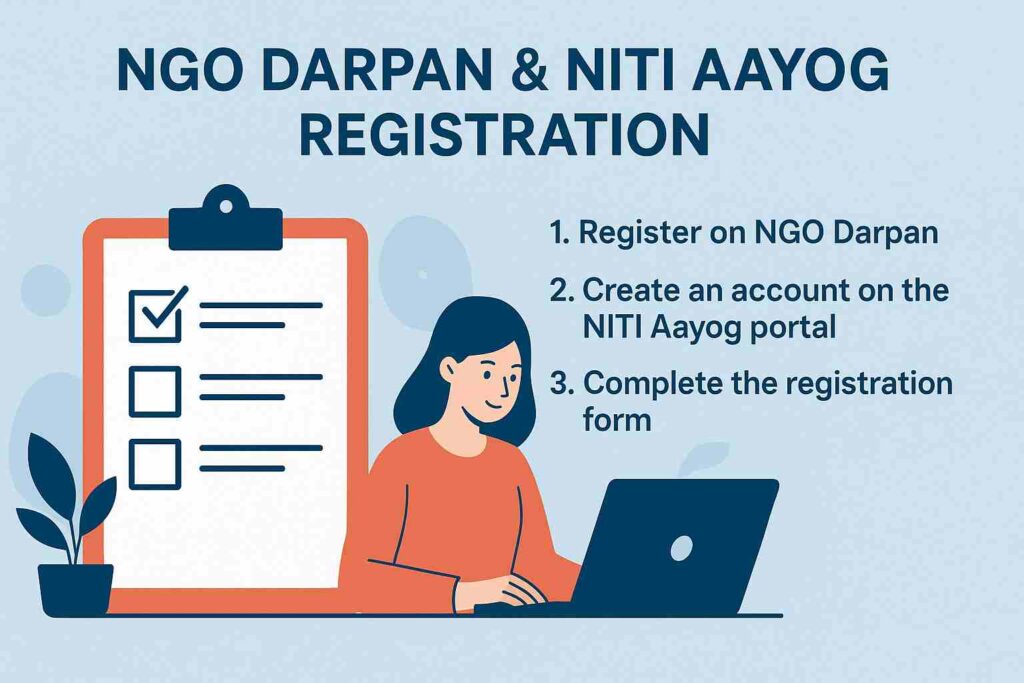

How to Register an NGO in India Successfully (2026): Full Beginner’s Guide
How to register an NGO in India — it’s one of the most searched questions by passionate changemakers ready to turn their vision into a legally recognised organisation. Maybe you want to educate underprivileged children, protect the environment, or empower rural women. The passion is there. The plan is taking shape. But one question stops almost every aspiring founder in their tracks: “How do I actually make this official?” How to register an NGO in India can feel overwhelming at first — the legal jargon, multiple government departments, and different registration types make it confusing. But once you understand the process, it’s very much doable. This complete guide on how to register an NGO in India walks you through every step — clearly, practically, and without confusing legalese. Whether you’re starting from scratch or trying to formalise an existing initiative, this is the only guide you’ll need. What Is an NGO and Why Does NGO Registration in India Matter? A Non-Governmental Organisation (NGO) is a non-profit entity that works for social, cultural, environmental, or humanitarian causes — independent of the government. In India, NGOs play a massive role in filling gaps where the state cannot reach. Before we get into how to register an NGO in India step by step, it helps to understand why NGO registration in India matters so much. Operating as an informal group seriously limits what you can do. Without completing your NGO registration in India, your organisation cannot: In short, NGO registration in India gives your organisation legal standing, financial legitimacy, and public trust — all essential if you’re serious about creating lasting impact. Types of NGO Registration in India NGO Structure Description 1. Trust Registration Governed by the Indian Trusts Act, 1882, a Trust is the simplest way to register an NGO in India. It requires a minimum of two trustees and works well for charitable activities like education and healthcare. If you’re just starting out and want a quick, low-cost NGO registration in India, a Trust is often the first choice. 2. Society Registration Registered under the Societies Registration Act, 1860, a Society requires a minimum of 7 members. This is a popular option to register an NGO in India for cultural, educational, or scientific purposes. Societies are governed by a managing committee and offer slightly more structure than a Trust. 3. Section 8 Company The most structured form of NGO registration in India, a Section 8 Company is registered under the Companies Act, 2013. It offers the highest credibility, is governed by the Ministry of Corporate Affairs (MCA), and is the preferred option for organisations planning large-scale or international operations. If you want to register an NGO in India with maximum legal standing, a Section 8 Company is the way to go. When you decide to register an NGO in India, the first major decision is choosing the right legal structure. India doesn’t have a single NGO Act. Instead, there are three primary ways to register an NGO in India, each with its own advantages. Not sure which structure fits your cause? Your choice depends on the size of your operations, number of founding members, funding sources, and long-term goals. When in doubt, seek expert advice before you register an NGO in India. Key Benefits When You Register an NGO in India Understanding the benefits is just as important as knowing how to register an NGO in India. Once your NGO registration in India is complete, the advantages go far beyond legal compliance: How to Register an NGO in India: Step-by-Step Process Here is a complete, practical roadmap on how to register an NGO in India. While specific steps vary by structure, this process applies broadly across all three registration types: Step Description Step 1: Define Your Mission and Structure Before filling a single form, clarify your NGO’s purpose, planned activities, and the registration type that suits you best. This is the foundation of the entire NGO registration process in India — getting this wrong causes delays down the line. Step 2: Choose a Name Pick a unique, meaningful name for your organisation. For Section 8 Companies, you’ll need MCA name approval. For Trusts and Societies, follow state-level naming guidelines. The name you choose will represent your organisation’s identity throughout the NGO registration in India process and beyond. Step 3: Prepare Your Core Documents To register an NGO in India, you’ll typically need the following documents ready: • Memorandum of Association (MoA) or Trust Deed • Rules and Regulations or Bye-laws of the organisation • Identity and address proof of all founding members or trustees • Registered office address proof Step 4: Draft the Trust Deed or MoA This is the single most important document in the NGO registration process in India. It defines your objectives, governance structure, and operational rules. Errors or vague language here is the leading reason applications get rejected. Always have a legal professional review this before you register an NGO in India. Step 5: Submit to the Relevant Authority Trust: Submit to the Sub-Registrar’s office in your district Society: Submit to the Registrar of Societies in your state Section 8 Company: Submit online via the Ministry of Corporate Affairs (MCA) portal Step 6: Pay the Registration Fee Registration fees to register an NGO in India vary by state and structure — typically ranging from a few hundred to a few thousand rupees. Section 8 Company fees are determined by MCA based on authorised capital. Step 7: Obtain Your NGO Registration Certificate Once approved, you receive your NGO registration certificate in India — the official proof of your organisation’s legal existence. For Section 8 Companies, this comes as a Certificate of Incorporation from the MCA. Step 8: Apply for PAN and Open a Bank Account Use your NGO registration certificate in India to apply for a PAN card under the organisation’s name. Then open a dedicated current account — essential for transparent financial management. Step 9: Apply for 12A and 80G Registrations File applications with the Income