
SAI NGO & BUSINESS CONSULTANCY
Expert services for NGO, Trust, Society Registration & Compliance across India.
The Fair Credit Reporting Act (FCRA) is a federal law that governs how consumer reports — including background checks — can be used by employers, landlords, and lenders. FCRA compliance means following the rules set by this law when requesting, using, or acting on consumer report information.
If your business runs background checks on job applicants or tenants, you are subject to the Fair Credit Reporting Act. Non-compliance is not just a technicality. It can result in class-action lawsuits, statutory damages, and serious reputational damage.
The problem? Most FCRA violations do not happen because of bad intent. They happen because businesses simply do not know what they are doing wrong.
This guide walks you through the most common FCRA compliance mistakes, why they matter, and how to avoid them — so you can protect your business and treat people fairly.
What Is the FCRA and Who Needs to Follow It?
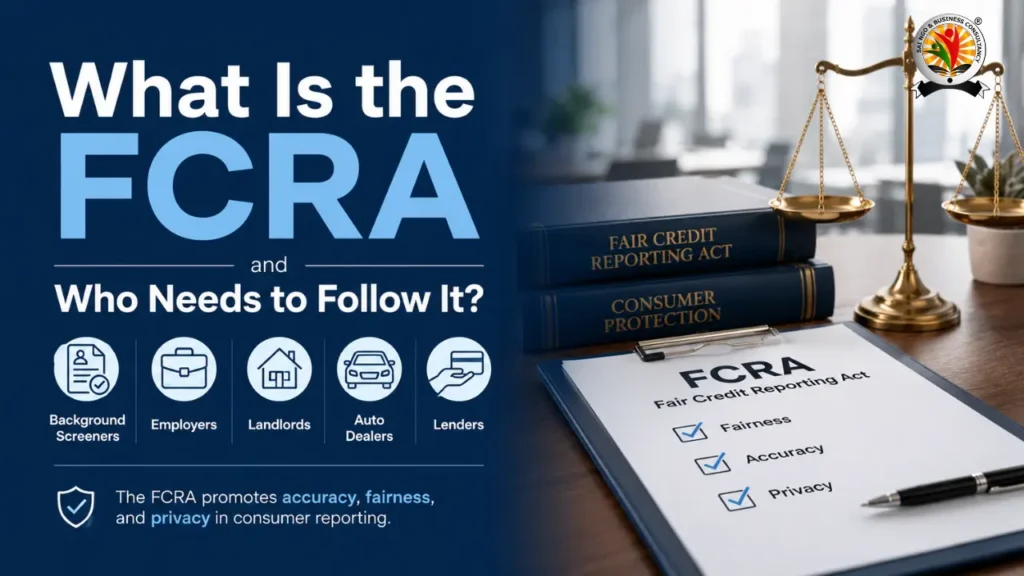
The Fair Credit Reporting Act, passed in 1970 and significantly updated over the years, gives consumers rights over their personal information — and places responsibilities on those who use it.
You need to follow FCRA rules if you are:
- An employer running background checks on applicants or employees
- A landlord screening rental applicants
- A lender checking credit before approving loans
- A business using a third-party Consumer Reporting Agency (CRA) to pull any consumer report
Even if you use a reputable screening company, compliance responsibility falls on you too — not just the CRA. That is a key point many businesses miss.
Why FCRA Compliance Matters More Than Ever
FCRA lawsuits have increased sharply in recent years. According to data tracked by the Consumer Financial Protection Bureau (CFPB), thousands of complaints are filed annually related to background screening errors and misuse of consumer reports.
The cost of getting it wrong:
- Statutory damages of $100 to $1,000 per violation
- Actual damages for harm caused
- Punitive damages in cases of willful non-compliance
- Attorney fees — which plaintiffs often recover in successful suits
- Class-action exposure when the same mistake affects many applicants
Beyond the financial risk, FCRA violations can damage trust with job candidates, harm your employer brand, and trigger investigations by the Federal Trade Commission (FTC).
Key Benefits of Getting FCRA Compliance Right
When businesses take FCRA compliance seriously, the benefits go beyond just avoiding legal trouble:
- Reduced legal and financial exposure from costly lawsuits
- Stronger trust with applicants and employees who feel fairly treated
- Better hiring decisions based on accurate, legally obtained information
- Improved company reputation in an era when transparency matters
- Smoother HR processes with clear, documented procedures
- Less operational disruption from complaints, audits, or corrective action
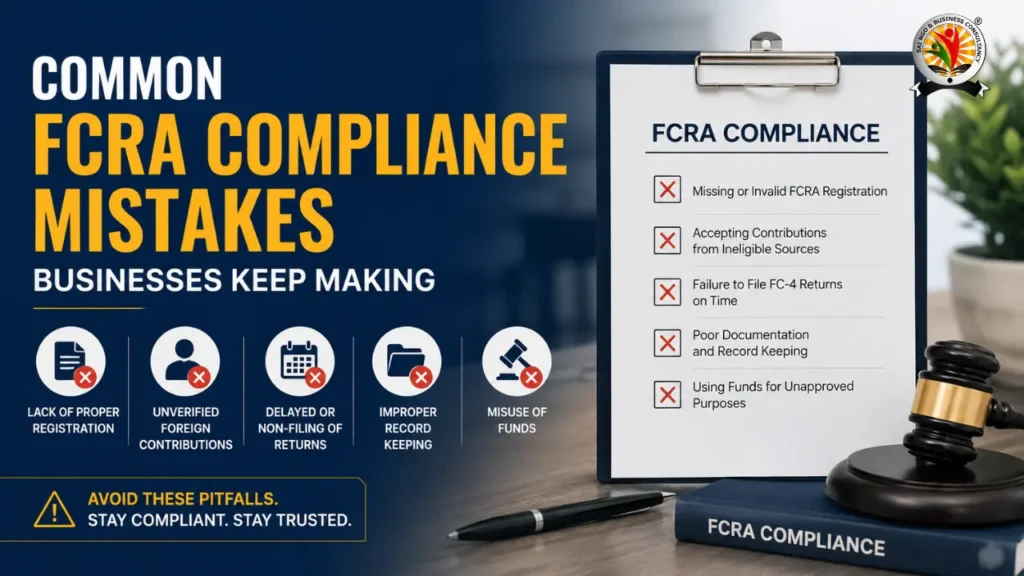
Common FCRA Compliance Mistakes Businesses Keep Making
Mistake 1: Skipping the Standalone Disclosure Requirement
Before you run a background check, you must provide the applicant with a clear, written disclosure that a consumer report may be obtained for employment purposes. This disclosure must stand alone — it cannot be buried in a job application, an employee handbook, or a general consent form.
Many employers include it alongside other onboarding paperwork, which violates the standalone requirement. Courts have ruled on this repeatedly, and it remains one of the most litigated FCRA issues.
- Fix it: Use a separate, clearly labeled disclosure document. Keep it simple and free of other content.
Mistake 2: Not Following the Two-Step Adverse Action Process
This is arguably the most commonly mishandled part of FCRA compliance. If you plan to take an adverse action — such as not hiring someone — based on information in a background report, the law requires a specific two-step process:
- Step 1: Send a pre-adverse action notice with a copy of the report and a summary of rights
- Step 2: Wait a reasonable amount of time (typically 5 business days is considered the safe minimum) before making a final decision
- Step 3: Send the final adverse action notice after the decision is made
Skipping the waiting period or sending only the final notice are two of the most expensive FCRA compliance errors a company can make. The pre-adverse action step exists to give the candidate a chance to dispute inaccurate information.
- Fix it: Build a formal adverse action workflow with clear timing checkpoints. Document every step.
Mistake 3: Using Non-FCRA-Compliant Background Check Providers
Not every background check provider operates as a Consumer Reporting Agency under the FCRA. If you use a non-compliant provider — even unknowingly — the report may not meet FCRA standards, which means your process does not either.
- Fix it: Verify that your screening vendor is a certified CRA and that your service agreement includes FCRA compliance representations.
Mistake 4: Failing to Get Proper Authorization
You must obtain written authorization from the candidate before pulling their consumer report. Many companies bury authorization language in long employment agreements or collect signatures without making clear what is being authorized.
- Fix it: Use a clear, separate authorization form. Make sure the candidate knows exactly what they are signing and why.
Mistake 5: Ignoring the FCRA in Tenant Screening
Many landlords do not realize the FCRA applies to tenant screening, not just employment. If you use a third-party service to run a credit or background check on a rental applicant, you are covered by the FCRA — and all the same rules apply.
- Fix it: Treat tenant applications with the same FCRA compliance rigor as employment screening.
Mistake 6: Outdated or Inaccurate Information in Reports
The FCRA limits how far back certain types of information can appear in consumer reports. For example, bankruptcies older than 10 years and most negative information older than 7 years generally cannot be reported for most employment positions. Acting on outdated information exposes you to liability.
- Fix it: Work with your CRA to ensure reports are filtered according to FCRA time limits. Audit reports regularly.
Mistake 7: No Written Policy or Training for HR Staff
Even if your company has the right forms, violations happen when HR staff do not follow consistent procedures. A poorly trained recruiter can inadvertently bypass the adverse action process or mishandle a dispute — and the business bears the legal risk.
- Fix it: Create a written FCRA compliance policy. Train every person involved in background screening. Review the policy annually.
Practical Steps to Strengthen Your FCRA Compliance Program
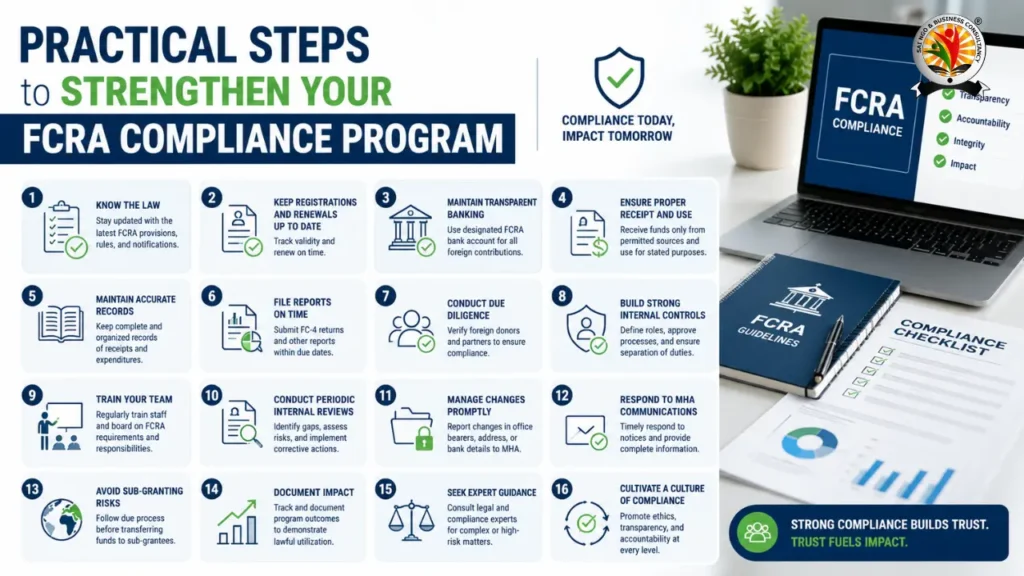
Getting FCRA compliance right is not a one-time task. It requires building consistent systems. Here is what that looks like in practice:
- Conduct a compliance audit of your current background check process from start to finish
- Review and update your disclosure and authorization forms to ensure they meet current FCRA standards
- Map out your adverse action workflow and assign clear ownership to each step
- Evaluate your background check vendor — confirm they are a compliant CRA and that your agreement reflects FCRA requirements
- Train your HR and recruiting teams regularly on FCRA obligations
- Set up a process for handling candidate disputes about report accuracy
- Keep records of all disclosures, authorizations, and adverse action notices
Expert Tips for FCRA Compliance You Should Not Overlook
These practical tips can help employers reduce compliance risks, improve hiring procedures, and avoid costly FCRA-related lawsuits.
| Tip | Compliance Guidance | Why It Matters |
|---|---|---|
| Tip 1 | Do not rely solely on your background check vendor for compliance. They handle the report. You are responsible for how you use it. | Employers remain legally responsible for following FCRA disclosure, authorization, and adverse action requirements. |
| Tip 2 | State laws often go further than the FCRA. California, New York, and several other states have additional background check regulations. Know what applies in your jurisdiction. | Failing to comply with state-specific employment and consumer reporting laws can create additional legal exposure. |
| Tip 3 | The FCRA applies to “investigative consumer reports” too — meaning reports that include interviews about a person’s character or reputation. These have additional disclosure requirements. | Employers must provide extra notices and disclosures when using investigative consumer reports during hiring decisions. |
| Tip 4 | When in doubt about timing on the adverse action process, wait longer. The cost of waiting five extra days is nothing compared to the cost of a lawsuit. | Providing applicants additional time to review and dispute background report information helps reduce legal risk. |
| Tip 5 | Consider having a compliance attorney or HR consultant review your background check process at least once a year. FCRA case law evolves, and what was compliant two years ago may not be today. | Regular compliance reviews help businesses stay updated with changing legal standards and court interpretations. |
Frequently Asked Questions About FCRA Compliance
What is the Fair Credit Reporting Act (FCRA)?
The FCRA is a federal law that regulates how consumer reports — including employment background checks, credit reports, and tenant screening — are collected, shared, and used. It gives consumers rights to access and dispute their information, and it places obligations on businesses that use consumer reports.
Who must comply with the FCRA?
Any business or individual that uses a Consumer Reporting Agency to obtain background checks, credit checks, or similar consumer reports must comply with the FCRA. This includes employers, landlords, lenders, and insurers.
What is an adverse action under the FCRA?
An adverse action is any action that negatively affects a person based on information in their consumer report. In employment, this typically means not hiring, demoting, or terminating someone based on a background check result.
What happens if I violate the FCRA?
FCRA violations can result in statutory damages ranging from $100 to $1,000 per violation, actual damages, punitive damages in cases of willful violations, and the payment of attorney fees. Class-action suits are common when the same error affects multiple applicants.
Do I need written consent before running a background check?
Yes. The FCRA requires that you obtain a clear, written authorization from the individual before pulling a consumer report. This must be a separate document from the employment application.
How long do I have to wait after sending a pre-adverse action notice?
The FCRA does not specify an exact number of days, but courts and the FTC have generally indicated that five business days is a reasonable minimum waiting period before sending the final adverse action notice.
Does the FCRA apply to tenant screening?
Yes. If you use a third-party consumer reporting agency to run background or credit checks on rental applicants, the FCRA applies. Landlords must follow the same disclosure, authorization, and adverse action requirements as employers.
What is a Consumer Reporting Agency (CRA) under the FCRA?
A CRA is any company that regularly assembles or evaluates consumer information to provide consumer reports to third parties. Major examples include Equifax, Experian, TransUnion, and employment screening companies like Sterling, Checkr, or HireRight.
When Professional Guidance Makes the Biggest Difference
The FCRA sounds manageable on paper, but the details matter enormously. A missing form, a skipped step, or a misunderstood requirement can turn a routine hiring decision into a federal lawsuit.
If you are not completely confident your background check process meets current FCRA standards — or if it has been more than a year since you reviewed it — it may be worth having a qualified compliance professional take a look.
A short consultation can identify gaps you did not know existed, help you build a more defensible process, and give your team the clarity they need to handle background checks correctly every time.
Ready to review your FCRA compliance process? If you want an expert eye on your current background check workflow, consider reaching out to an employment attorney or HR compliance consultant who specializes in FCRA. A proactive review today is far less costly than a reactive lawsuit tomorrow.
Useful Links
Below are important official and professional resources related to FCRA compliance, consumer reporting, background checks, and employer responsibilities.
| S. No. | Organization | Resource Title | Description | Website |
|---|---|---|---|---|
| 1 | Federal Trade Commission (FTC) | FCRA Resources | Official Fair Credit Reporting Act (FCRA) resources, compliance information, and consumer protection guidance. | ftc.gov/fcra |
| 2 | Consumer Financial Protection Bureau (CFPB) | Consumer Reporting | Consumer reporting information, credit report rights, dispute processes, and financial protection guidance. | consumerfinance.gov |
| 3 | Equal Employment Opportunity Commission (EEOC) | Background Checks: What Employers Need to Know | Employer guidance on conducting lawful background checks and maintaining fair hiring practices. | eeoc.gov/background-checks |
| 4 | Society for Human Resource Management (SHRM) | FCRA Compliance Guide for Employers | Professional HR compliance guidance for employers regarding FCRA regulations and hiring procedures. | shrm.org |
| 5 | National Consumer Law Center (NCLC) | Consumer Reporting Rights | Educational and legal resources related to consumer reporting rights and protections. | nclc.org |